

WHAT IS SPECIALTY COFFEE?

In this guide
What if I told you that the coffee you drink every morning could be much more than just a drink? There is a kind of coffee that not only tastes better but also respects the people who grow it and the planet. In this article I'll tell you what specialty coffee is, why everyone is talking about it and how you can enjoy it at home like a true barista.
What exactly is specialty coffee?
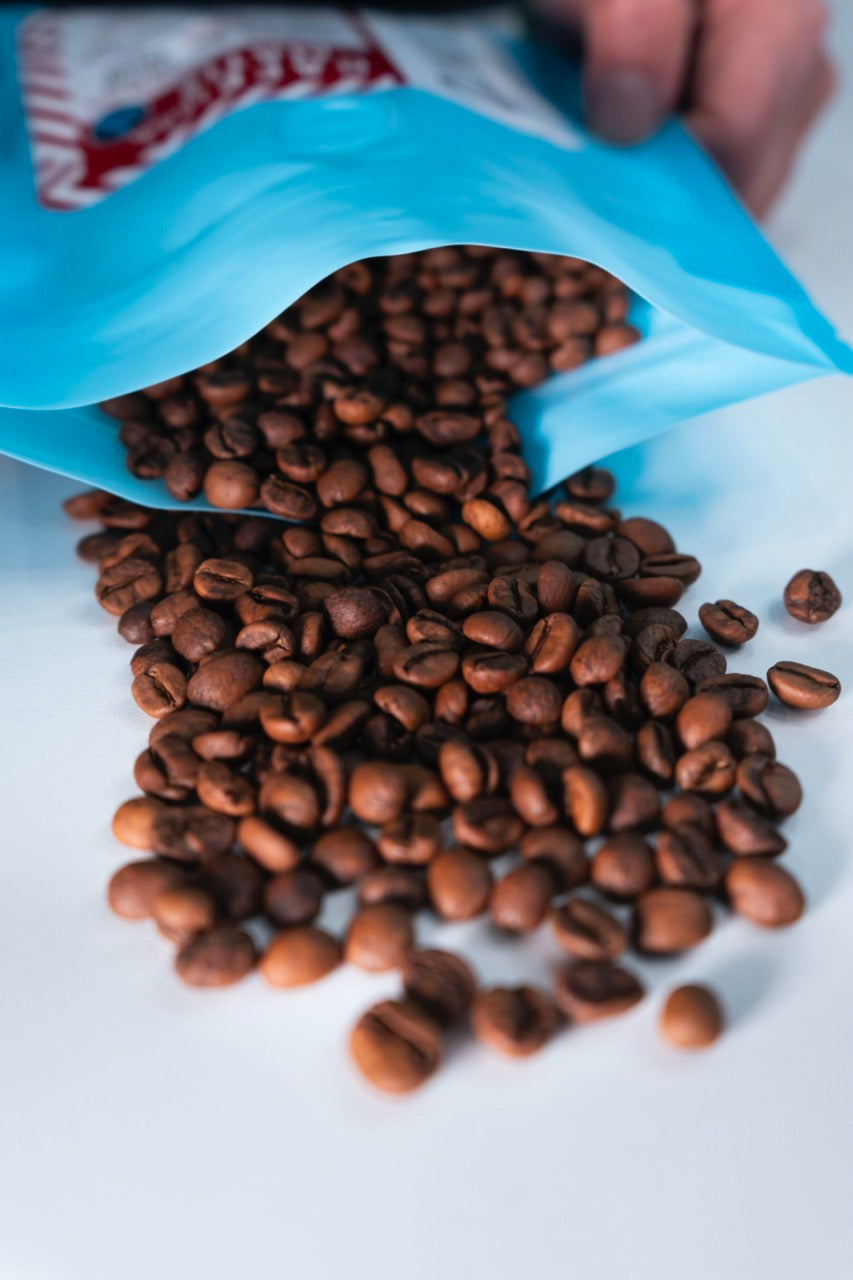
Specialty coffee is a type of whole bean coffee that stands out for its high quality, its clean, complex flavour and its fully traceable origin. To be considered specialty, it must score at least 80 points out of 100 in a professional cupping following the protocol of the Specialty Coffee Association (SCA). Every cup of specialty coffee tells a story: that of the producer, the farm, the process, the altitude and the care taken at every stage of the chain.
How is it different from traditional coffee?
Hand-selected beans
Unlike commercial coffee, specialty coffee is made with carefully hand-selected beans, free of any defects.
Artisan roasting
The roast is adapted to each lot to bring out its unique characteristics. No standard formulas, no industrial processes.
Mindful brewing
The whole process, from grinding to extraction, is carefully handled to achieve the best possible sensory experience.
Why does specialty coffee matter?
- It offers real quality, with no need for sugar to mask flavours.
- It supports producers, who receive fairer pay for their work.
- It respects the environment, thanks to a more ethical and sustainable production model.
- It drives innovation, by encouraging new varieties, processes and brewing methods
Origin and history of specialty coffee
The history of specialty coffee
The concept of specialty coffee was born in the United States in the 1970s. Erna Knutsen used the term in 1974 to describe exceptional micro-lots with unique flavours and an identified origin. Since then, the movement has spread around the world, marking the beginning of the so-called third wave of coffee.
Since then, the movement has grown and expanded globally, driving demand for high-quality, sustainable coffees.
Where is specialty coffee grown?
Specialty coffee is grown in many regions around the world, especially in countries located in the “Coffee Belt”, which stretches between the Tropics of Cancer and Capricorn. Some of the main specialty coffee producers are:
- Colombia
- Ethiopia
- Guatemala
- Kenya
- Costa Rica
although many other regions also produce high-quality coffees.
Each origin brings different sensory profiles: floral, fruity, chocolatey… A different experience in every cup!
Factors that influence the quality of specialty coffee
The quality of specialty coffee depends on several factors, such as the coffee variety, growing conditions, altitude, climate, soil, and the harvesting and post-harvest process. All these elements influence the flavour, aroma and body of the coffee, and specialty coffee producers control them carefully to guarantee an exceptional product.
Variety and genetics.
The plant's genetics directly influence the flavours the bean can develop. Some varieties, such as Geisha or SL28, offer very distinctive floral and fruity profiles, while others, such as Bourbon or Caturra, tend to produce sweeter, rounder, more balanced coffees. This genetic diversity is one of the great riches of specialty coffee.
Altitude and climate
Altitude is a key factor: the higher the coffee is grown, the more slowly the cherry ripens, allowing the sugars to develop more deeply. This results in a more complex, aromatic cup. In addition, a cool climate and the temperature swing between day and night favour the development of bright acidity and well-defined flavours.

Harvesting the coffee

Processing

The art of roasting.

Cupping

The importance of traceability
Traceability is a key aspect of specialty coffee, as it lets consumers know the origin and farming practices of the coffee they are drinking. Traceability also encourages transparency and accountability in the coffee supply chain, which helps ensure sustainability and fair trade.
Benefits of specialty coffee
Coffee quality
One of the main benefits of specialty coffee is the high quality of the product. Specialty coffee beans offer more complex and distinctive flavours and aromas than traditional coffee, resulting in a superior sensory experience for the consumer.
- Authentic flavours: fruit, flowers, chocolate, spices...
- Greater freshness and quality in every cup.
- Mindful enjoyment, with no additives
Social and environmental impact
Specialty coffee promotes sustainable farming practices and the wellbeing of coffee-growing communities. By focusing on quality and sustainability, specialty coffee producers help conserve the environment and support the social and economic development of local communities.
- Less use of chemicals and pesticides.
- Regenerative practices and shade-grown cultivation.
- more responsible, local production
Added value for producers
Specialty coffee allows producers to receive a fairer price for their product, as consumers are willing to pay more for quality and sustainability. This encourages producers to keep improving their farming practices and to invest in the development of their communities.
- A fair price for their work.
- A direct relationship with roasters and consumers.
- A better quality of life.
If you'd like to learn more, we recommend reading this article: Is direct trade between coffee farmers and roasters possible?
How to get the most out of specialty coffee
Brewing coffee properly
Proper brewing is essential to get the most out of specialty coffee. It's important to grind the beans just before brewing, use good-quality water and follow the recommended ratios and extraction times for each brewing method.
Types of extraction methods
There are several extraction methods you can use to brew specialty coffee:
- Filter (V60, Chemex): highlights acidity and sweetness.
- Espresso: intensity and creaminess.
- French press: body and roundness.
- AeroPress: versatility and a clean cup.
- Cold brew: ideal for warm weather, with a light body and natural sweetness.
Each method highlights different characteristics of the coffee, so it's worth experimenting to find the one that best suits your preferences — you can check out our guide here.
Perfect pairings for specialty coffee.
Specialty coffee can be enjoyed even more when paired with foods that complement and enhance its flavours and aromas. Some classic pairings include pastries, biscuits, chocolate and dried fruit, but don't hesitate to experiment and find your own favourite combinations.
Conclusion: specialty coffee is much more than a drink
It's a way of consuming mindfully, of connecting with people, flavours and landscapes through a cup. When you choose specialty coffee, you're supporting an ethical, transparent and delicious model of consumption. Ready to change the way you drink coffee? Explore our selection of specialty coffees and we'll deliver them to your door so you can start enjoying them.


