

Kianamui | Kenya | Spiced Notes
Kianamui | Kenya | Spiced Notes
Couldn't load pickup availability
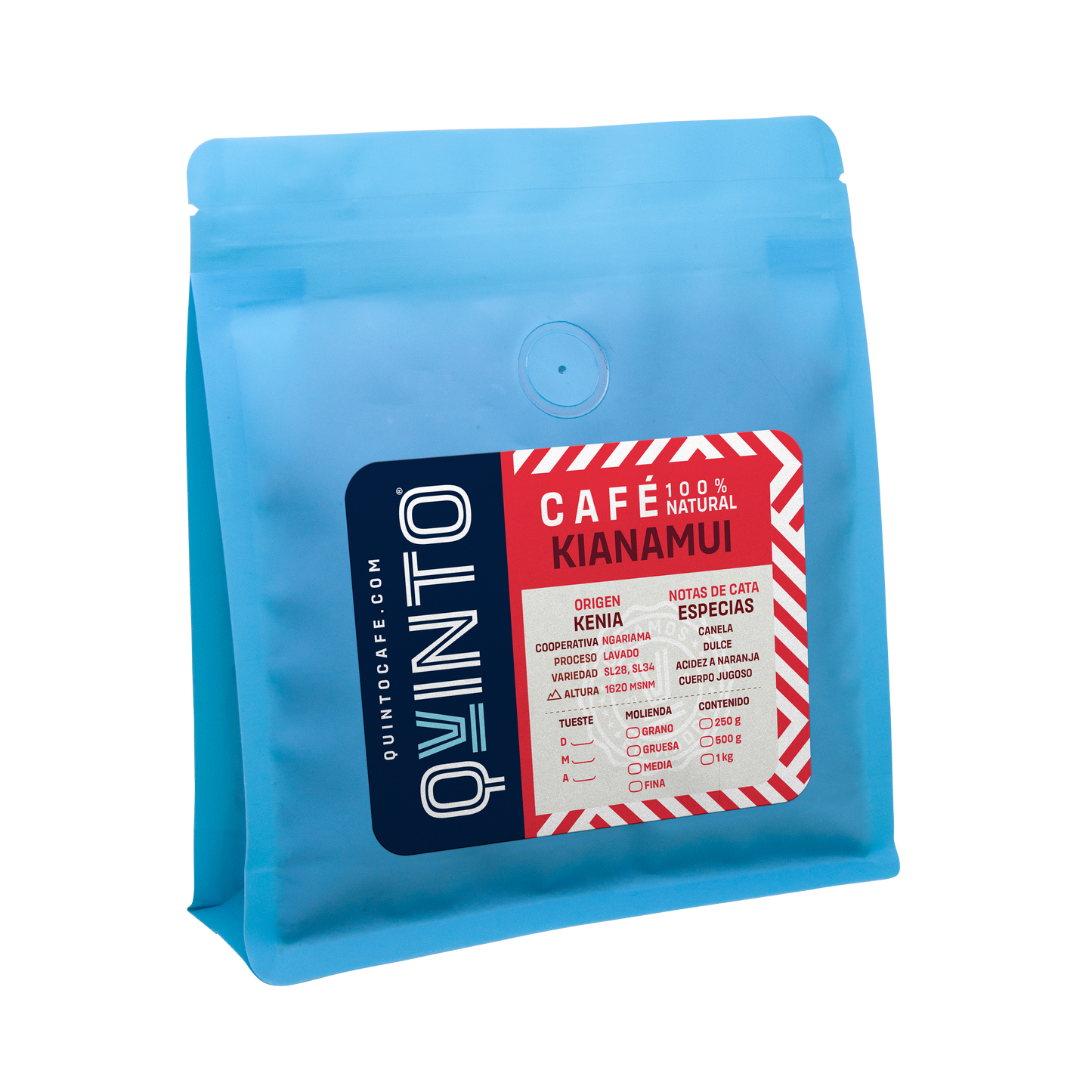
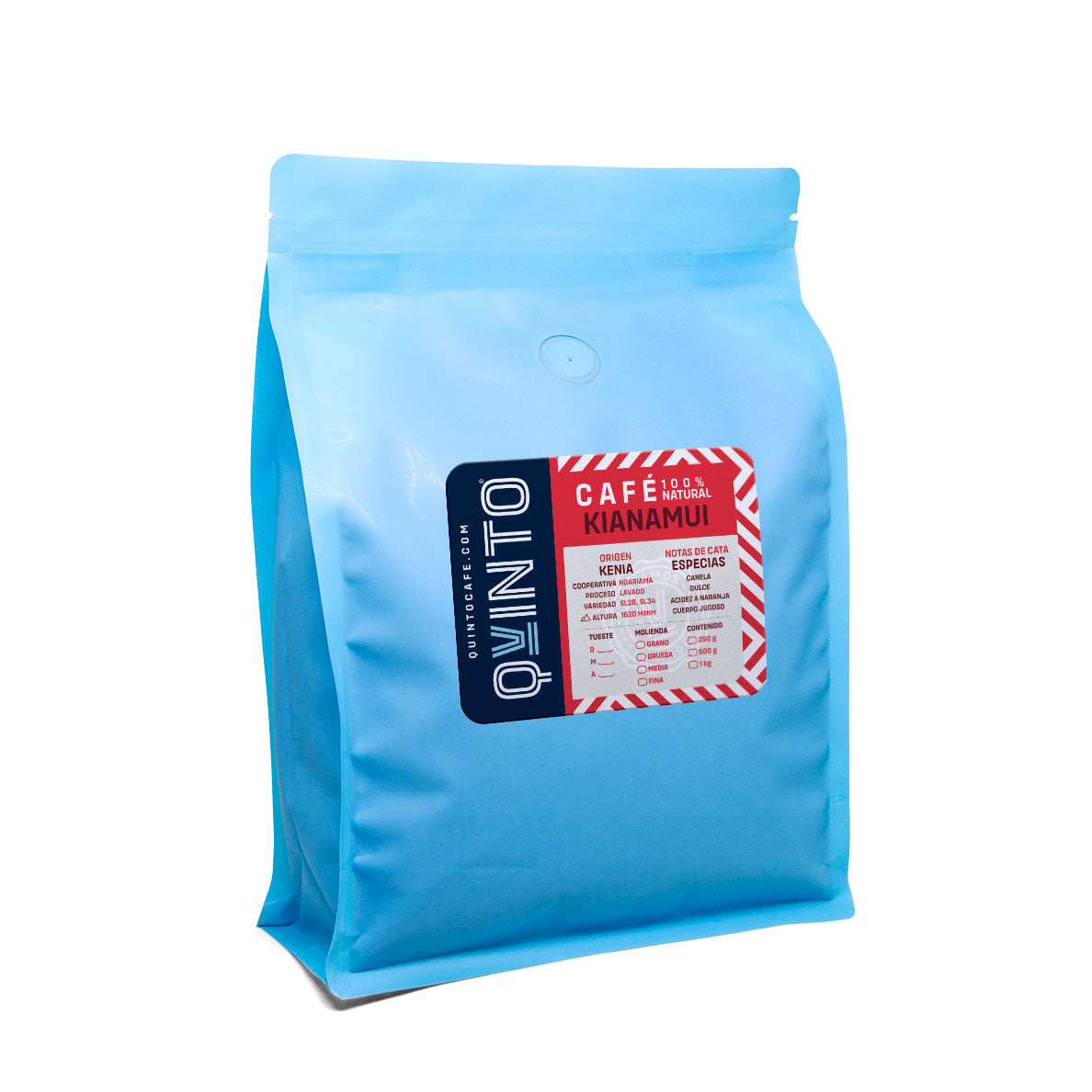
Kianamui is a Kenyan specialty coffee grown in Kirinyaga, in the foothills of Mount Kenya, at 1,620 metres above sea level. It comes from the Kianamui washing station, part of the New Ngariama Cooperative Society, where more than 1,800 smallholders grow coffee on family plots in fertile volcanic soil.
The washed process brings out its signature profile: bright acidity, a juicy body and notes of cinnamon, spice and orange. A vibrant, complex coffee, ideal if you're looking for an African origin with real character.
Tasting notes
- ·Cinnamon
- ·Spice
- ·Orange
- ·Juicy body
Origin
- Country: Kenya
- Region: Kirinyaga
- Washing station: Kianamui
- Farm process: Washed
- Varieties: SL28, SL34, Ruiru 11, Batian
- Altitude: 1,620 masl
- Certification: Rainforest Alliance
Recommended brew methods
- ·Filter / V60 / Chemex
- ·Intense espresso
- ·Moka pot / French press
Buy Kenyan specialty coffee, whole bean or ground, with delivery across mainland Spain.
FAQs — Kianamui Kenya
How should I enjoy Kianamui Kenya?
Either black or with milk. Black, its notes of cinnamon, orange and spice shine through clearly. With milk, the juicy body rounds out and a lovely spiced sweetness comes through.
What are the best brew methods?
Filter / V60 / Chemex: The ideal method for this coffee. A clean extraction highlights its bright acidity and citrus and spice notes.
Espresso: Makes an intense cup with a juicy body and a long, spiced finish.
Moka pot: Highlights the coffee's darker notes and sweetness.
French press: A denser, rounder extraction with more body.
Is it available whole bean or ground?
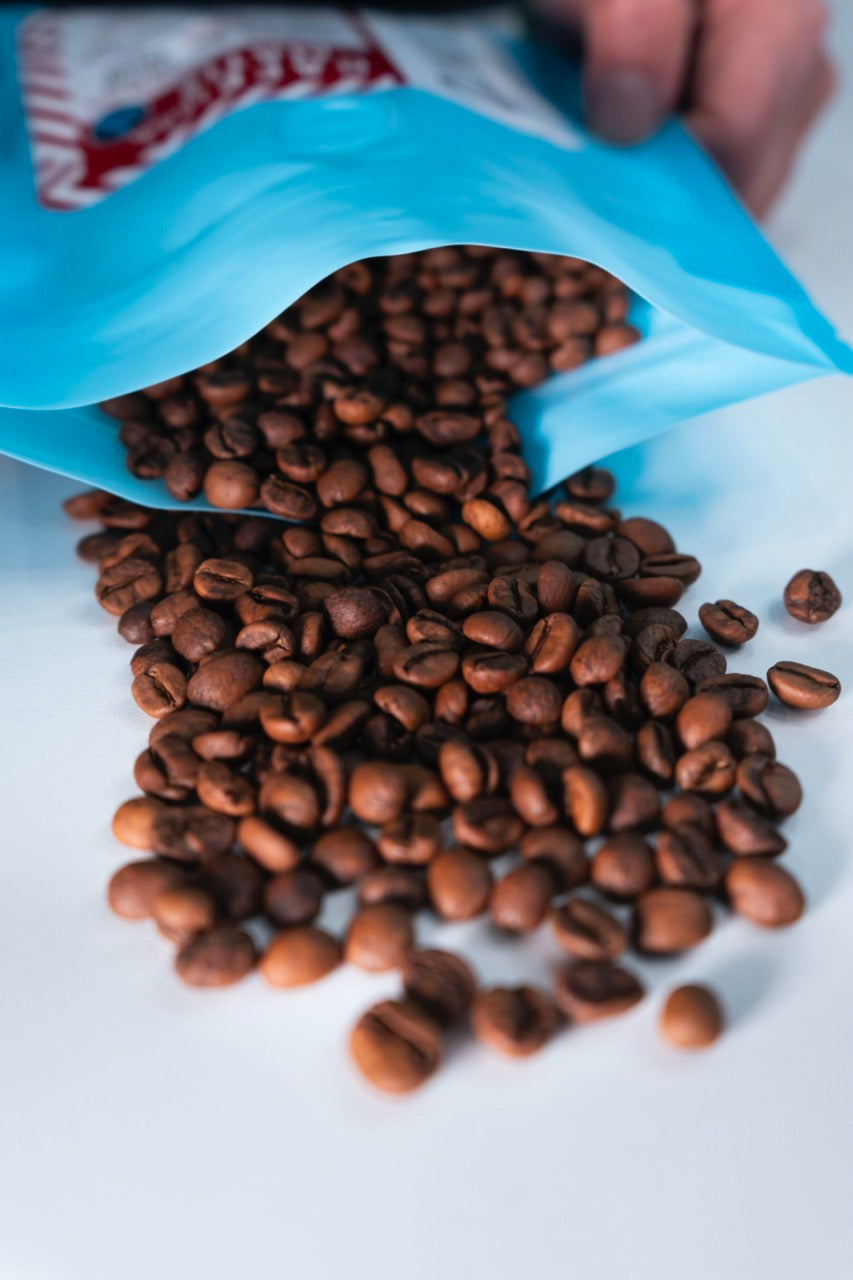
You choose: it's available as whole bean or ground to several grind sizes — espresso, moka pot, filter and French press. Choose your option when adding it to your basket.
Is it a strong coffee? Does it have a lot of caffeine?
It's a medium-high intensity coffee with bright acidity, not bitter. As for caffeine, like all Arabicas it has a moderate level — lower than commercial Robustas. Perceived intensity depends more on the brew method than on the origin.
What's the difference between specialty coffee and regular coffee?
Specialty coffee is selected by origin, variety and process, with full traceability back to the farm or cooperative. It's roasted lighter to preserve the bean's own character, without the bitterness of industrial dark roasts. The result is a cup with defined flavours and no defects.
Why is Kenyan coffee more expensive than other origins?
Kenya has a highly competitive auction system that drives up prices at origin. On top of that, its native varieties — SL28 and SL34 — produce beans of exceptional quality but in smaller quantities. The result justifies the price: few origins in the world offer the complexity and bright acidity of a great Kenyan coffee.
What is the washed process?
In the washed process, the coffee is pulped and fermented in water before drying. This removes the fruit pulp and produces a cleaner cup with higher acidity and more defined notes. It's the typical process in Kenya and Ethiopia, and explains the bright, fruity profile of these coffees compared with Brazilian coffees or natural-process Ethiopians.
Can I use Kianamui for cold brew?
Yes. Its citrus and spice notes work really well cold. Cold brew made with this coffee is refreshing, with an appealing natural sweetness.
How should I store my coffee?
In a cool, dry place away from direct sunlight. Not in the fridge — moisture affects the flavour. Reseal the bag tightly after each use to prevent oxidation.
What is the shelf life?
Best enjoyed within 9 months of the roast date shown on the bag, so you get it at its peak.
5.0 / 5.0
(1) 1 total reviews