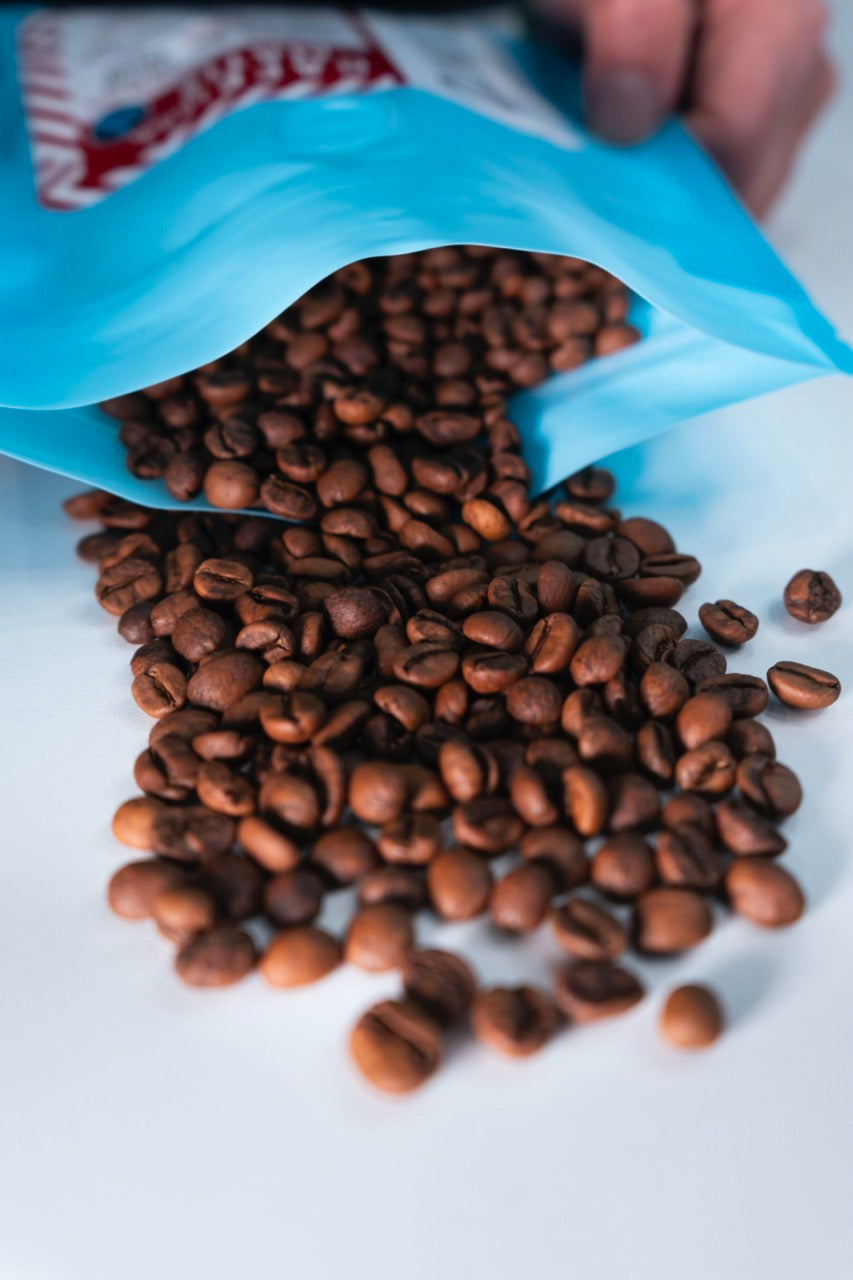


How to make espresso at home: a step-by-step barista guide

In this guide
Real espresso is made with pressure (~9 bar), forcing hot water through very finely ground coffee in 25-30 seconds. If you don't have an espresso machine at home, don't give up on it altogether: the moka pot is the closest realistic alternative, even though technically it isn't espresso.
The 4 parameters that matter (with a machine)
- Dose: the amount of ground coffee in the portafilter (usually 16-20 g depending on the basket).
- Grind: very fine — finer than for any other method.
- Extraction time: 25-30 seconds from when the coffee starts to flow.
- Temperature: 90-96°C, as recommended for your machine.
Base recipe (1:2 ratio)
- Grind 18 g of coffee very fine, just before brewing.
- Level and distribute the coffee in the portafilter (with no air pockets).
- Tamp with firm, even pressure.
- Lock the portafilter into the group head and start timing from the first drip.
- Aim for 36 g of liquid espresso (1:2 ratio) in 25-30 seconds.
- If it runs too fast or too slow, adjust the grind (finer = slower; coarser = faster) before changing the dose.
How to tell if your extraction is right
- Over-extracted (too fine, too slow, or too long): bitter, dry, burnt taste.
- Under-extracted (too coarse, too fast): sour, watery taste, little body, no sweetness.
- Balanced extraction: sweet, full-bodied, with an even, brown crema ("tiger-striped") and no sharp acidity.
No espresso machine: the real alternative at home
The moka pot doesn't reach the pressure of a machine, but it gives a concentrated, full-bodied result that works really well on its own or with milk. Full guide: how to brew coffee with a moka pot, and here's the Bialetti 3-cup Moka Pot if you don't have one yet.
Which coffee to use for espresso
Choose the "espresso" grind when you buy: Inga (balanced, a good base), San Pedro (fruitier, if you're after something different) or Flora Geisha.
Espresso with milk
If you like espresso with milk, pouring technique and milk texture change the final result quite a bit — the full guide is in how to make café con leche at home.
Frequently asked questions
Do I need a dedicated espresso grinder?
Ideally, yes. Espresso needs a much finer, more consistent grind than other methods — a basic blade grinder doesn't usually give good results; a burr grinder (conical or flat) is recommended.
Does specialty coffee work well as espresso?
Yes, as long as the grind is right. In fact, many specialty coffees with a more balanced profile (Colombia, Brazil) perform especially well as espresso.
How much caffeine does an espresso have compared with filter coffee?
By volume, espresso has more concentrated caffeine, but a cup of filter/V60 coffee (more water) can deliver a similar or higher total amount of caffeine. It depends more on the amount of coffee used than on the method.
What should I do if my espresso has no crema?
First check the freshness of the coffee (coffee roasted weeks ago loses its crema), then the grind and dose — a lack of crema almost always comes from stale coffee or under-extraction.

